
Lab-Grown Diamond Pendant Necklace Buying Guide: Best Styles, Carat Sizes & Prices
Posted by EX3 Diamond on Nov 11th 2026
A diamond pendant is one of the most versatile pieces of fine jewelry you can own — it works for everyday wear, special occasions, and gifting alike. But with so many styles, chain lengths, and carat options available, picking the right one can feel overwhelming. Here's what actually matters when you're buying a lab-grown diamond pendant necklace.
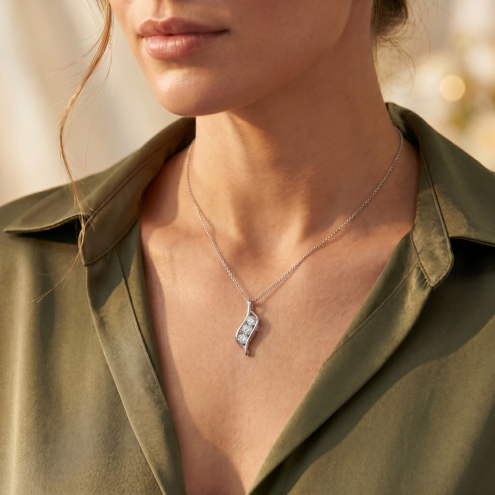
Solitaire vs. Halo vs. Cluster: Which Pendant Style Fits You?
A solitaire pendant — a single diamond suspended on a thin chain — is the most popular style because it's timeless and goes with everything from a t-shirt to an evening dress. A halo pendant surrounds the center stone with smaller diamonds, which adds visual size and sparkle without a huge jump in carat weight or price. Cluster and circle pendants group multiple smaller diamonds together for a fuller, more textured look at a lower cost per piece than a single large stone. If you're buying your first fine diamond pendant, a solitaire is the safest, most versatile choice; if you already own one, a halo or cluster design adds variety to a jewelry collection.
What Carat Size Actually Looks Like on a Chain
Unlike a ring, a pendant is viewed from a distance and against clothing, so carat weight reads differently. A 1/4 carat diamond pendant is a subtle, everyday piece that catches light without demanding attention. A 1/2 to 1 carat pendant becomes a clear focal point, suitable for date nights and special occasions. Above 1 carat, a solitaire pendant starts to make a statement piece, often paired with a slightly heavier chain to balance the visual weight of the stone.
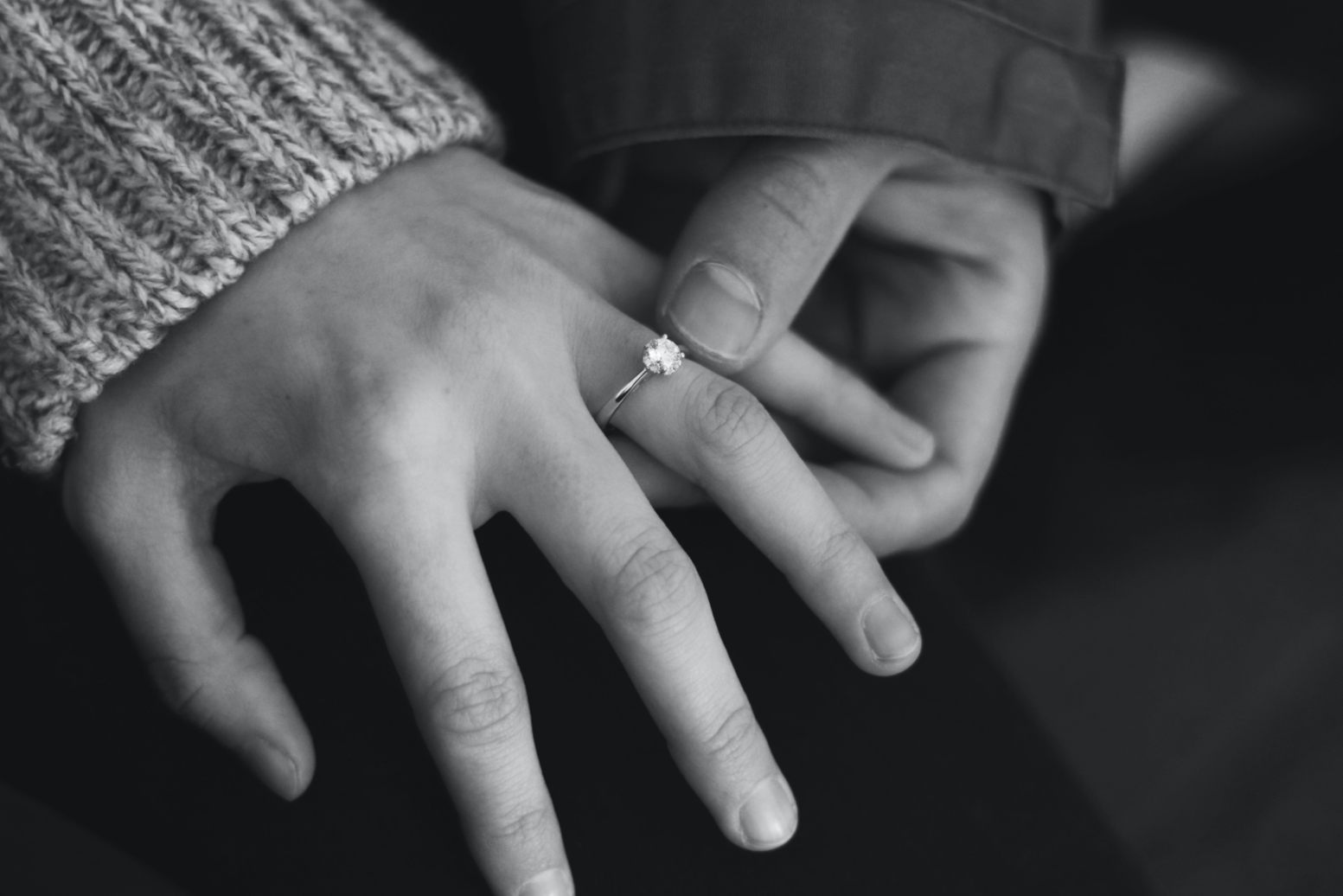
Chain Length and Metal: The Details That Change Everything
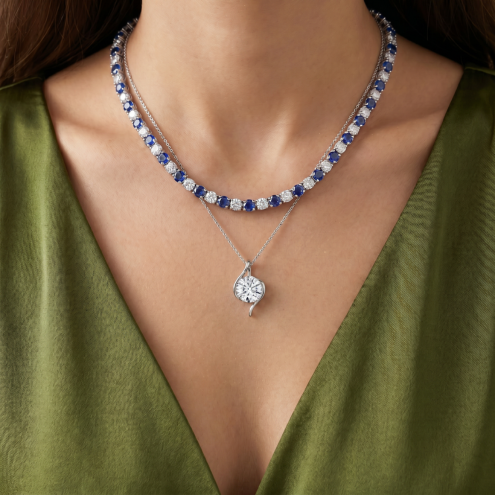
An 16-18 inch chain sits at the collarbone and is the most universally flattering length for a solitaire pendant; 20 inches or longer lets the pendant sit lower, which works well for layering with other necklaces. White gold and platinum make diamonds appear slightly brighter and more colorless to the eye, while yellow and rose gold create warmer contrast that can make a stone's sparkle stand out more dramatically against the metal. None of these choices are "wrong" — they're a matter of personal style and what you already wear day to day.
Why Lab-Grown Makes a Bigger Pendant More Affordable
Because lab-grown diamonds cost significantly less per carat than mined diamonds of equivalent color, cut, and clarity, buyers can reasonably size up — choosing a 3/4 or 1 carat pendant where a mined-diamond budget might only stretch to 1/4 or 1/3 carat. Every diamond we use is IGI-certified, so you get full documentation of the 4Cs regardless of size.
Read Our Diamond Education Guide
Use Our Diamond Certification Lookup Before You Buy
Every certified diamond we sell comes with an IGI report number you can verify independently. Before finalizing a pendant purchase, check our Diamond Certification page to understand exactly what's documented on your stone's report — carat, color, clarity, and cut — so you know precisely what you're buying.
Verify Your Diamond Certification
The Bottom Line
A solitaire pendant in the 1/4 to 1/2 carat range is the safest, most versatile starting point for most buyers. If you want a statement piece, size up to 3/4 carat or larger, or choose a halo design to add visual size at a lower cost. Whatever you choose, make sure it's IGI-certified lab-grown so you know exactly what you're getting.
Browse the Full Jewelry Collection
Frequently Asked Questions
What carat size is best for a diamond pendant necklace?
Most buyers land in the 1/4 to 1/2 carat range for everyday wear. It's substantial enough to notice but subtle enough for daily use. Above 1 carat makes a clearer statement piece for special occasions.
What chain length works best with a solitaire pendant?
A 16-18 inch chain sits at the collarbone and is the most universally flattering length. 20 inches or longer lets the pendant sit lower, which works well for layering with other necklaces.
Does metal color affect how a diamond pendant looks?
Yes. White gold and platinum make diamonds appear slightly brighter and more colorless, while yellow and rose gold create warmer contrast that can make the sparkle stand out more against the metal.
Are lab-grown diamond pendants certified?
Yes. Every diamond we use is IGI-certified, with full documentation of carat, color, clarity, and cut regardless of the pendant's size or style.

