
Yellow Gold vs White Gold vs Rose Gold vs Platinum for Engagement Rings
Posted by EX3 Diamond on Nov 20th 2026
The metal you choose changes how an engagement ring looks, wears, and ages. Yellow gold, white gold, rose gold, and platinum all suit lab-grown diamonds, but they differ in color, durability, upkeep, and price. Here is how they compare so you can choose with confidence.
Yellow Gold: Warm and Classic
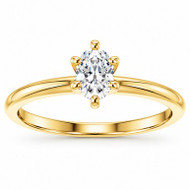
Yellow gold is the traditional gold color, and it pairs well with near-colorless and slightly warm diamonds because the metal does not make small color differences obvious. 14k gold is harder than 18k and better suited to daily wear, while 18k has a richer color but is softer. It is a natural fit for vintage styles, bezel settings, and anyone who wants a timeless look. Browse our yellow gold engagement rings to see it in different settings.

White Gold: Bright and Modern
White gold has a bright, silvery finish that makes colorless diamonds look especially crisp. Most white gold is plated with rhodium, and that plating slowly wears down over time, revealing the metal’s slightly warmer natural tone. A jeweler can re-plate it, and how often depends on wear and skin chemistry. It works well for modern solitaires, halos, and pavé bands, as you can see in our white gold engagement rings.

Rose Gold: Romantic and Durable
The pink tone of rose gold comes from copper alloyed with gold, which adds warmth and often looks striking with oval and pear shapes. Copper also makes rose gold quite hard-wearing, and because the color is part of the metal rather than a plating, there is nothing to re-apply. It is a good choice if you want a distinctive color without leaving gold, and you can explore it in our rose gold engagement rings.

Platinum: Naturally White and Dense
Platinum is naturally white and does not need plating. It is dense, so prongs hold stones securely, and scratches displace metal rather than removing it, which creates a soft patina over time that can be polished back to a shine. It is a good option if you have sensitive skin or want maximum security for the stone, though it is heavier and generally costs more than gold. See the options in our platinum engagement rings.

How to Choose Your Metal
Think about lifestyle first: if you want the least maintenance, choose yellow gold, rose gold, or platinum, and if you love a bright white look and do not mind occasional re-plating, choose white gold. Skin tone is a matter of taste, though warm undertones often look good in yellow or rose gold and cool undertones in white metals. Stone color matters too, because a slightly warm diamond can look intentional in a yellow or rose setting. Pick the same metal for your engagement ring and wedding band so they wear evenly together, as covered in our guide to wearing a bridal ring set.
14k vs. 18k Gold
Gold’s karat tells you how much of the alloy is pure gold: 14k is about 58% and 18k is about 75%. More gold means a richer color but a softer metal, so many people choose 14k for everyday rings as a balance of durability and cost. The stone and setting style usually change the price more than the choice between gold colors.
The Bottom Line
There is no wrong metal for a lab-grown diamond. Yellow and rose gold are warm and low-maintenance, white gold is bright and modern with occasional re-plating, and platinum is naturally white and the most durable, at a higher price. Choose the one that fits how you live and the look you love.
Frequently Asked Questions
Does white gold turn yellow?
The rhodium plating can wear off, showing the metal’s natural warmer color. A jeweler can re-plate it.
Is platinum worth the extra cost?
It is worth considering if you want a naturally white metal, have sensitive skin, or want maximum security for the stone. Gold is a perfectly good choice if budget matters more.
Can I change the metal later?
You can have a ring remade, but it is simpler to choose the right metal at the start. Mixed-metal stacks are also a fashionable option.
Which metal is best with lab-grown diamonds?
All of them. The metal affects the look and upkeep, not how the diamond is graded or how it performs.

